1- WHAT CAN I DO THAT I COULDN'T DO BEFORE?: I can play the recorder
2- WHAT DO I LIKE MOST?: I like sing
3- WHAT DO I DO WELL?: I play the recorder well
4- WHAT AM I CONFUSED ABOUT?: I am confused about how to play the guitar
5- WHAT DO I NEED HELP WITH?: I need help with intervals
6- WHAT DO I DO IN ENGLISH AND/OR MUSIC OUTSIDE THE CLASS?: I´m going to english classes
7- WHAT DO I NEED TO IMPROVE?: I need to improve de recorder
8- WHAT DID I LEARN ABOUT CULTURE?: I learn about a lot of singers and compositors important in the history
Sunday, 17 February 2019
Saturday, 16 February 2019
MUSIC VOCABULARY 2nd TERM
Musical meaning: significado musical. Dot: puntillo.
Rhythm: ritmo. Ligature: ligadura.
Dot: puntillo. Snare drum: caja.
Drums: batería. Clap: palmada.
Bar: compás (el espacio del pentagrama). Orchestra: orquesta.
Time signature: compás (la fracción numérica). Conductor: director.
Tempo: "tempo". Ensemble: formación musical.
Chordophone: cordófono. Aerophone: aerófono.
String: cuerda. Bow: arco.
Rub: frotar. Pluck: pulsa, puntear.
Guitar pick: púa. Viola: viola.
Violoncello: violonchelo. Double bass: contrabajo.
Tuning peg: clavija. Harp: arpa.
Brass: viento metal. Woodwind: viento madera.
Mouthpiece: boquilla. Saxophone: saxofón.
Oboe: oboe. Clarinet: clarinete.
Trumpet: trompeta. French horn: trompa.
Percussion: percusión. Amplifier: amplificador.
Soprano: soprano. Mezzo-soprano: mezzo-soprano.
Tenor: tenor. Baritone: barítono.
Grand piano: piano "de cola". Kettle drum: timbal.
Rhythm: ritmo. Ligature: ligadura.
Dot: puntillo. Snare drum: caja.
Drums: batería. Clap: palmada.
Bar: compás (el espacio del pentagrama). Orchestra: orquesta.
Time signature: compás (la fracción numérica). Conductor: director.
Tempo: "tempo". Ensemble: formación musical.
Chordophone: cordófono. Aerophone: aerófono.
String: cuerda. Bow: arco.
Rub: frotar. Pluck: pulsa, puntear.
Guitar pick: púa. Viola: viola.
Violoncello: violonchelo. Double bass: contrabajo.
Tuning peg: clavija. Harp: arpa.
Brass: viento metal. Woodwind: viento madera.
Mouthpiece: boquilla. Saxophone: saxofón.
Oboe: oboe. Clarinet: clarinete.
Trumpet: trompeta. French horn: trompa.
Percussion: percusión. Amplifier: amplificador.
Soprano: soprano. Mezzo-soprano: mezzo-soprano.
Tenor: tenor. Baritone: barítono.
Grand piano: piano "de cola". Kettle drum: timbal.
Tuesday, 18 December 2018
SELF-ASSESMENT 1ST TERM
- What can I do that I couldn't do before? I can write best a letter
- Can I understand information from LISTENINGS? Yes, because I understand best
- Can I WRITE a brief paragraph ? Yes
- Can I SPEAK using vocabulary and grammar learnt this term? Yes
- Can I understand information from READINGS? Sometimes because I have some difficulties
- What do I like most? I like most the projects
- What do I do well? I can do well reading, listening and writting
- What am I confused about? about nothing
- What do I need help with? I need help with reading and writting
- What do I do in English outside the class?
- What do I need to improve? The reading and writing and a little for speaking
- What did I learn about culture? I learn a lot of the life in the past
Saturday, 8 December 2018
Tuesday, 27 November 2018
PROYECT MUSIC II
Who is Vivaldi?
Antonio Lucio Vivaldi he was born in Venecia, on the 4 of march in the 1678-Viena, he died on the 28 of july in the 1741. He was a Venecian baroque composer, violinist, businessman, teacher and priest. His mastery is reflected in the most important genre of the concert. He composed some more 770 works, including more than 400 concerts and about 46 operas. He is especially known, a popular level, for being the author of the series of concerts for violin and orchestra" The Four Seasons".
This is the song of the four seasons:
MUSIC PROYECT
BLOWING IN THE WIND
How many wars the people want?
Before they learn
How many violence the people need?
Before they learn to be best
How many persons die in the world?
Before they comprend the life
How many faces are sad in the world?
Before they begin to be bad
How many animals the people kill?
Pretending it was very fun
Monday, 26 November 2018
P.E. QUESTIONS
1-What is strenght as basic physical ability?
Strength is the ability to overcome a resistance or face through a muscular effort.
There are different types:






Strength is the ability to overcome a resistance or face through a muscular effort.
There are different types:
- Maximum Strenght: It is the maximum weight that we can mobilize. An example is weightlifting.
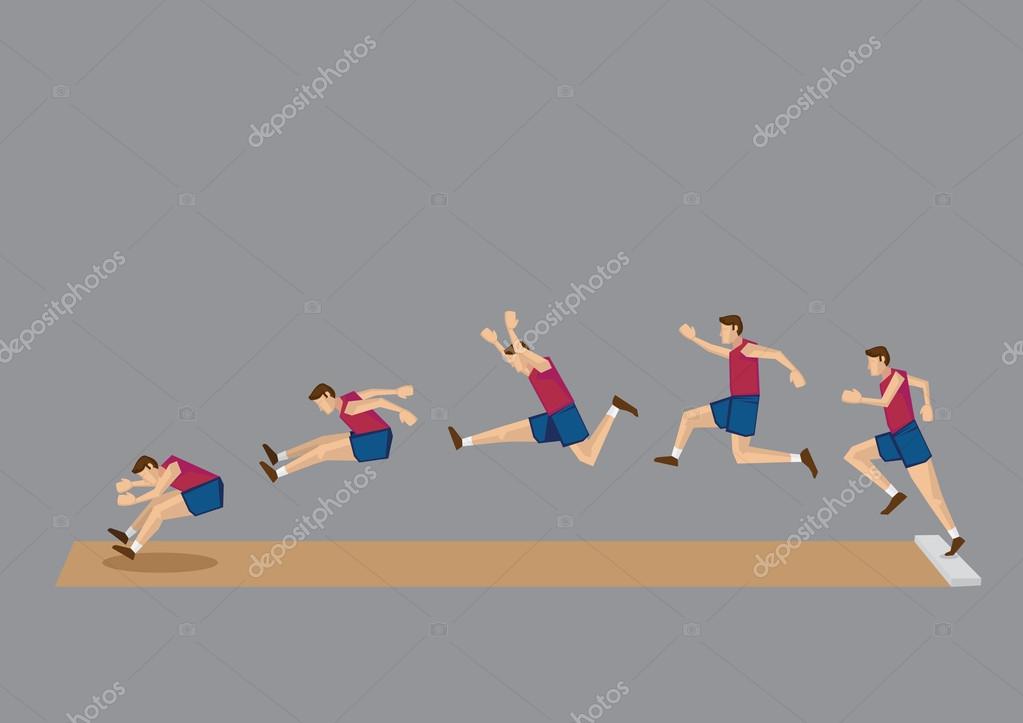
- Explosive Strenght: It is the manifestation of force quickly. An example is long jumper.
- Resistance strenght : Is the ability to maintain strength for a long period of time. An example is a cycling tour.
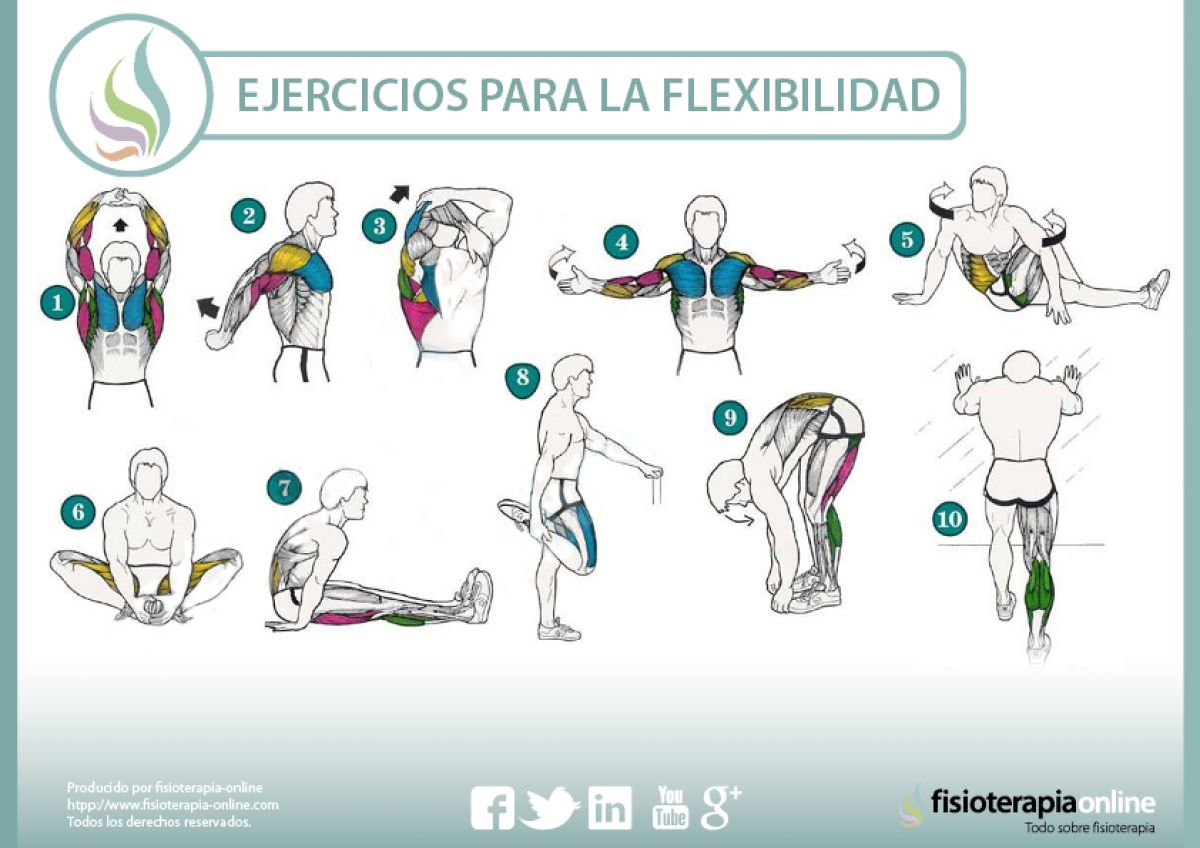
2-What is flexibility as basic physical capacity?
Is the ability of the joins to perform movements as widely as possible.
It depends in different factors:
- Muscle elasticity: ability to enlarge the muscles and recovery of the inicial position.
- Joint mobility: maximum degree of movement of each joint.
- Intramuscular coordination: The intermuscular coordination regulates the different degrees of muscular contraction thanks to a mechanism of sum of motor units. The muscle contraction can be regulated in two ways: Regulatin the number of motor units in action and regulation the frequency of nerve simulation
3-What is endurance as basic physical capacity?
Endurance is the ability to maintain physical effort for a long time.
The different types are:
- Aerobic endurance: Aerobic endurance is all about your level of cardiovascular fitness. Many would argue that this is one of the most vital fitness-related attributes because of its link to heart health. To improve your aerobic endurance is to improve your body’s capability of meeting higher, faster demands for oxygen and energy, which it needs during more intense exercise.
- Anaerobic endurance: Anaerobic endurance refers to the ability to sustain intense, short duration activity such as weight lifting or sprinting. Anaerobic means "without oxygen".
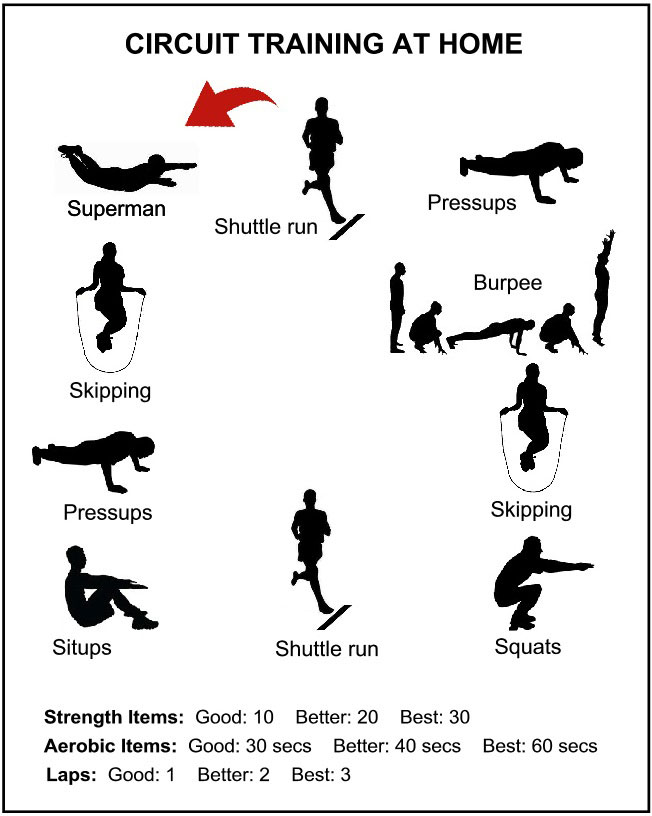
4-How can I improve my endurance? Explain two exercises.
- For improve endurance you can do weightlifting, jump with a rope, go cycling or do long jumper.
Tuesday, 6 November 2018
🎶RAP OF VIOLENCE🎶
Your children cry because they want to see you happy,
you see sadness in his face because his father is a monster.
Everyday it gost worse and causes you more pain.
Fighter woman raises that its time.
Denunce that man don´t hide in the shadow.
You and can change it you decide to report.
To life you smile.

you see sadness in his face because his father is a monster.
Everyday it gost worse and causes you more pain.
Fighter woman raises that its time.
Denunce that man don´t hide in the shadow.
You and can change it you decide to report.
To life you smile.
Sunday, 4 November 2018
MUSIC
A. TO BEGIN WITH... ( PART 1)
1)Does sadness and melancholy belong to music?
- Maybe, becuse you can feel sadness or malancholy when you listen a sad song.
2)Or must music always make you feel happy or glad?
-No, because if you listen a sad song , I think that you aren´t happy or glad you are sad.
1)Does sadness and melancholy belong to music?
- Maybe, becuse you can feel sadness or malancholy when you listen a sad song.
2)Or must music always make you feel happy or glad?
-No, because if you listen a sad song , I think that you aren´t happy or glad you are sad.
MUSIC VOCABULARY
Note: nota
Staff: pentagrama
Pitch: altura
Tone: tono
Semitone: semitono
Interval: intervalo
Duration: duración
Accidentals: alteraciones
Flat: bemol
Sharp: sostenido
Choir: coro
Recorder: flauta dulce
Treble clef: clave de sol
Half note: nota negra
Quarter note: nota blanca
Eight note: corchea
Whole note: redonda
Chord: acorde
Ascending: ascendente
Descending: descendente
Melody: melodía
Staff: pentagrama
Pitch: altura
Tone: tono
Semitone: semitono
Interval: intervalo
Duration: duración
Accidentals: alteraciones
Flat: bemol
Sharp: sostenido
Choir: coro
Recorder: flauta dulce
Treble clef: clave de sol
Half note: nota negra
Quarter note: nota blanca
Eight note: corchea
Whole note: redonda
Chord: acorde
Ascending: ascendente
Descending: descendente
Melody: melodía
Tuesday, 25 September 2018
THE EUROPAN DAY OF LANGUAGES
The European day of languages is an event that we celebrate every year.
The people celebrate this day talking all variety of languages, to promote the culture and to encourage people to learn languages.
The European day of languages was established by the European Commission on the 6 of December in 2001, its represents 800 millions Europeans from 47 countries.
There are about 225 indigenous languages in Europe, roughly 3% of the world's total. Most of the European languages are of Indo-Europe origin.
English is currently the most popular foreign language in Europe, followed by German, French, Italian, Russian and Spanish.
The people celebrate this day talking all variety of languages, to promote the culture and to encourage people to learn languages.
The European day of languages was established by the European Commission on the 6 of December in 2001, its represents 800 millions Europeans from 47 countries.
There are about 225 indigenous languages in Europe, roughly 3% of the world's total. Most of the European languages are of Indo-Europe origin.
English is currently the most popular foreign language in Europe, followed by German, French, Italian, Russian and Spanish.
I think that learning languages is very important because it can be used for many things.
And for me learning languages is very interesting, now I speak three languages: Spanish, English and I know a little of French.
I want to speak Italian because I like the accent and finally I think that this is a good project to do because it is interesting and you can learn from this.
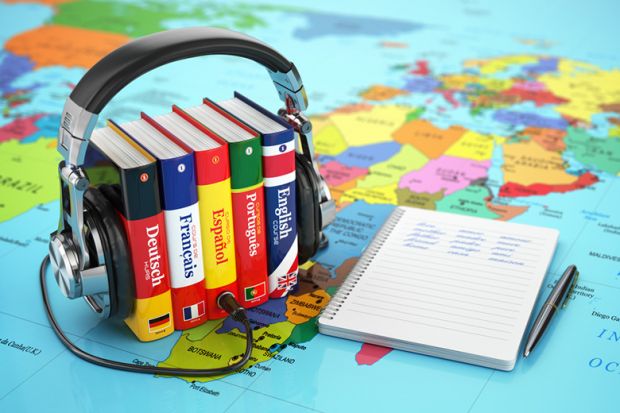

And for me learning languages is very interesting, now I speak three languages: Spanish, English and I know a little of French.
I want to speak Italian because I like the accent and finally I think that this is a good project to do because it is interesting and you can learn from this.
Subscribe to:
Posts (Atom)